
THE NEVADA DESERT GATEWAY
Las Vegas and Red Rock
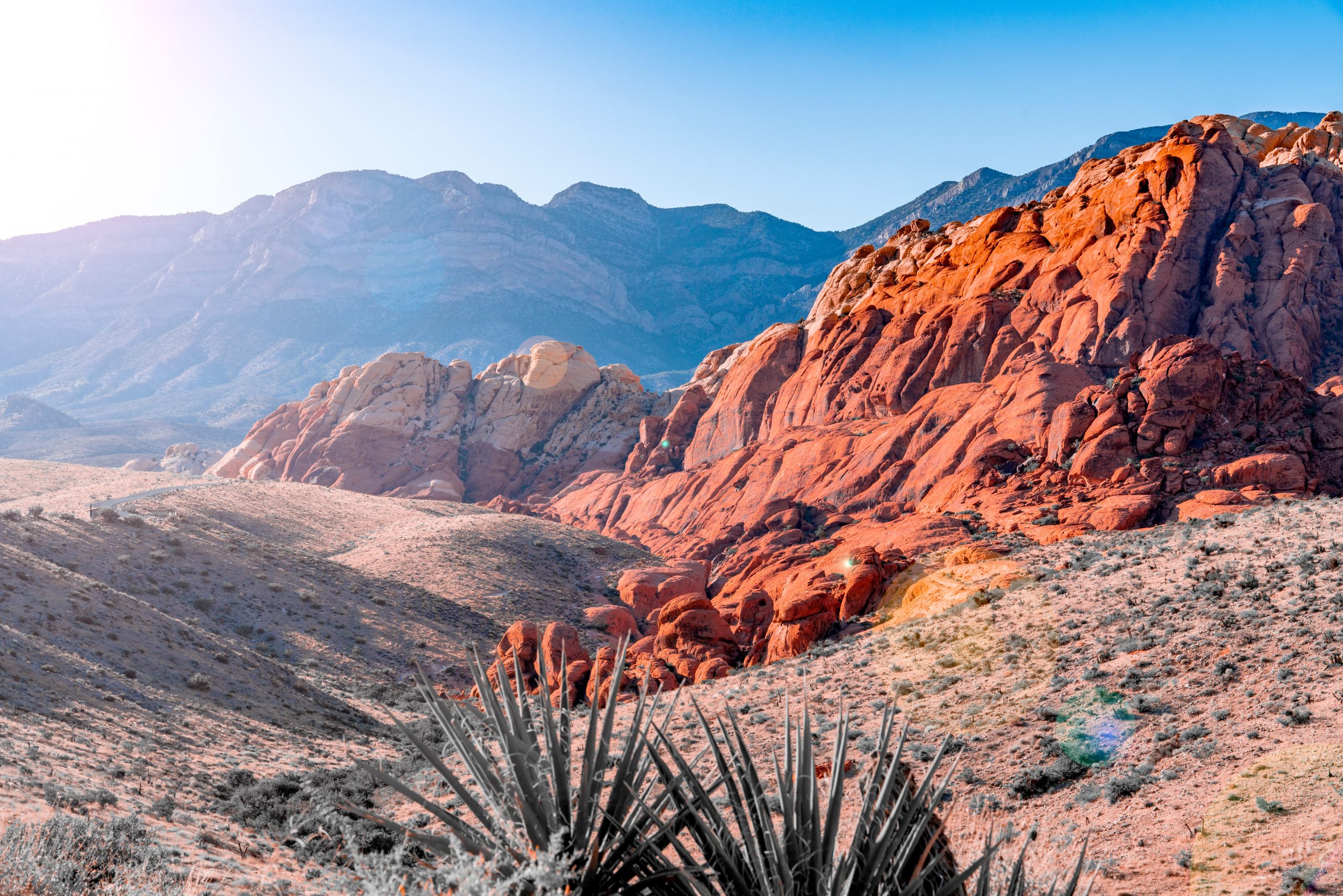
Arrive in Las Vegas and devote your first day to Red Rock Canyon along Nevada Highway 159, also known as Red Rock Canyon Road. Begin with the Calico Tanks Trail, a rewarding 2.5 mile round trip hike that climbs to a natural basin with sweeping views toward Las Vegas. Continue with Ice Box Canyon, a shaded 2.6 mile round trip hike through towering sandstone walls that offers a cooler and quieter contrast to the open desert. For travelers seeking a more strenuous challenge, Turtlehead Peak provides a demanding 5 mile round trip climb with one of the most expansive panoramas in the region.
Return to Las Vegas for the evening and prepare for the journey ahead.
For dinner, consider Golden Steer Steakhouse, one of Las Vegas’ most iconic and enduring restaurants. Opened in 1958, it became a favorite dining spot for Rat Pack legends such as Frank Sinatra, Dean Martin, and Sammy Davis Jr., along with visiting entertainers performing on the nearby Strip.
An interesting historical note: long before Las Vegas became a global entertainment destination, travelers stopped here because of natural springs emerging from the desert floor. Spanish explorers named the area “Las Vegas,” meaning “the meadows,” referring to these rare water-fed grasslands that provided an oasis for travelers moving between California and the interior Southwest.
Valley of Fire State Park
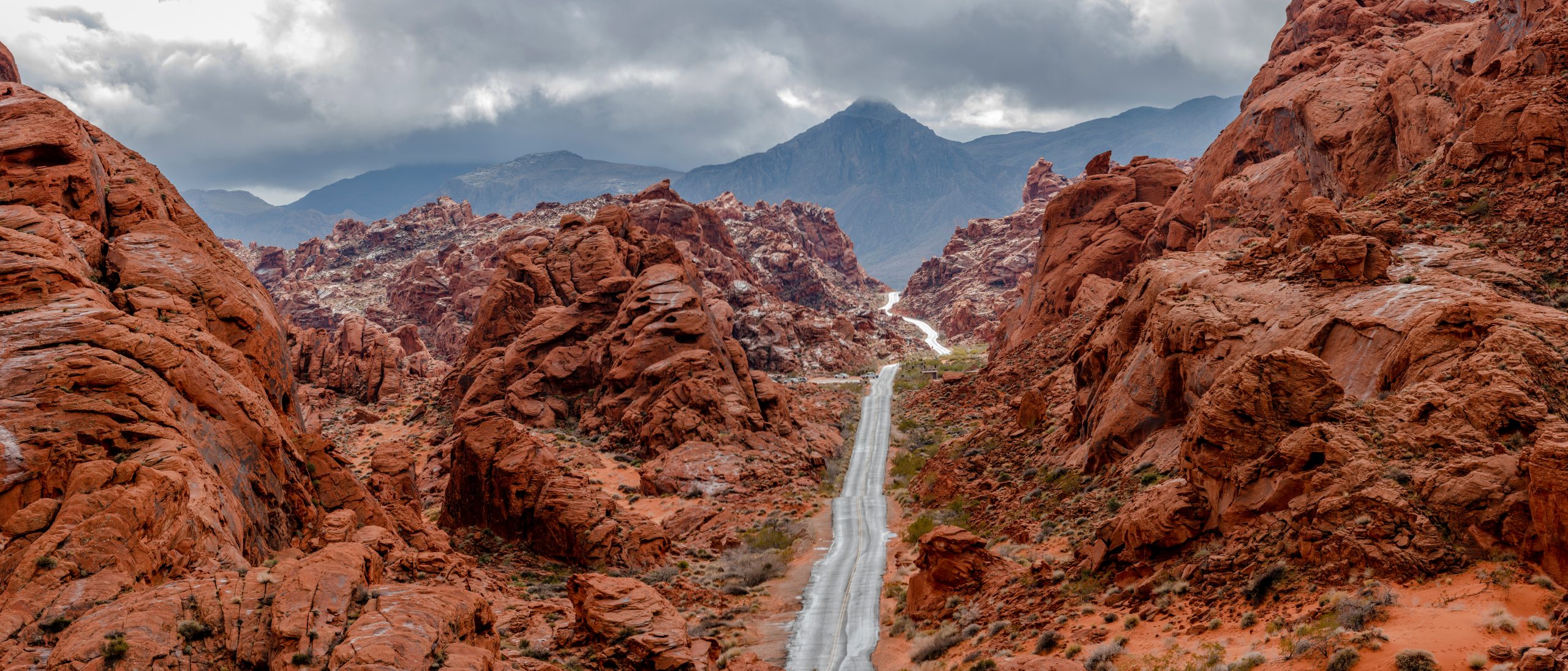
Leave Las Vegas on Interstate 15 and travel northeast toward Valley of Fire State Park. The park’s visitor center is an excellent place to begin, offering helpful exhibits about the geology and cultural history of Nevada’s oldest state park.
One of the park’s most famous hikes is Fire Wave, a 1.5 mile round trip trail leading to a remarkable formation of swirling sandstone bands that resemble a frozen ocean of color. Because of extreme summer temperatures, the Fire Wave trail is typically closed between June and October.
Continue to Mouse’s Tank, a short 0.8 mile round trip walk through a narrow wash lined with ancient petroglyphs created by Indigenous peoples who traveled through this desert landscape thousands of years ago. Nearby, the Seven Sisters rock formations provide one of the park’s most recognizable scenic viewpoints and a quick stop for photographs.
If time allows, the White Domes Trail offers a beautiful 1.1 mile loop through a varied landscape of sandstone formations, narrow passages, and open desert views.
Spend the evening in the quiet desert communities near the park.
Consider a stop in Overton at Sugar’s Home Plate, a beloved local diner known for hearty breakfasts, burgers, and homemade pies that have made it a longtime favorite for travelers exploring this region.
Overnight in Overton or near Valley of Fire.
St. Thomas Ghost Town, Lost City Museum, and St. George
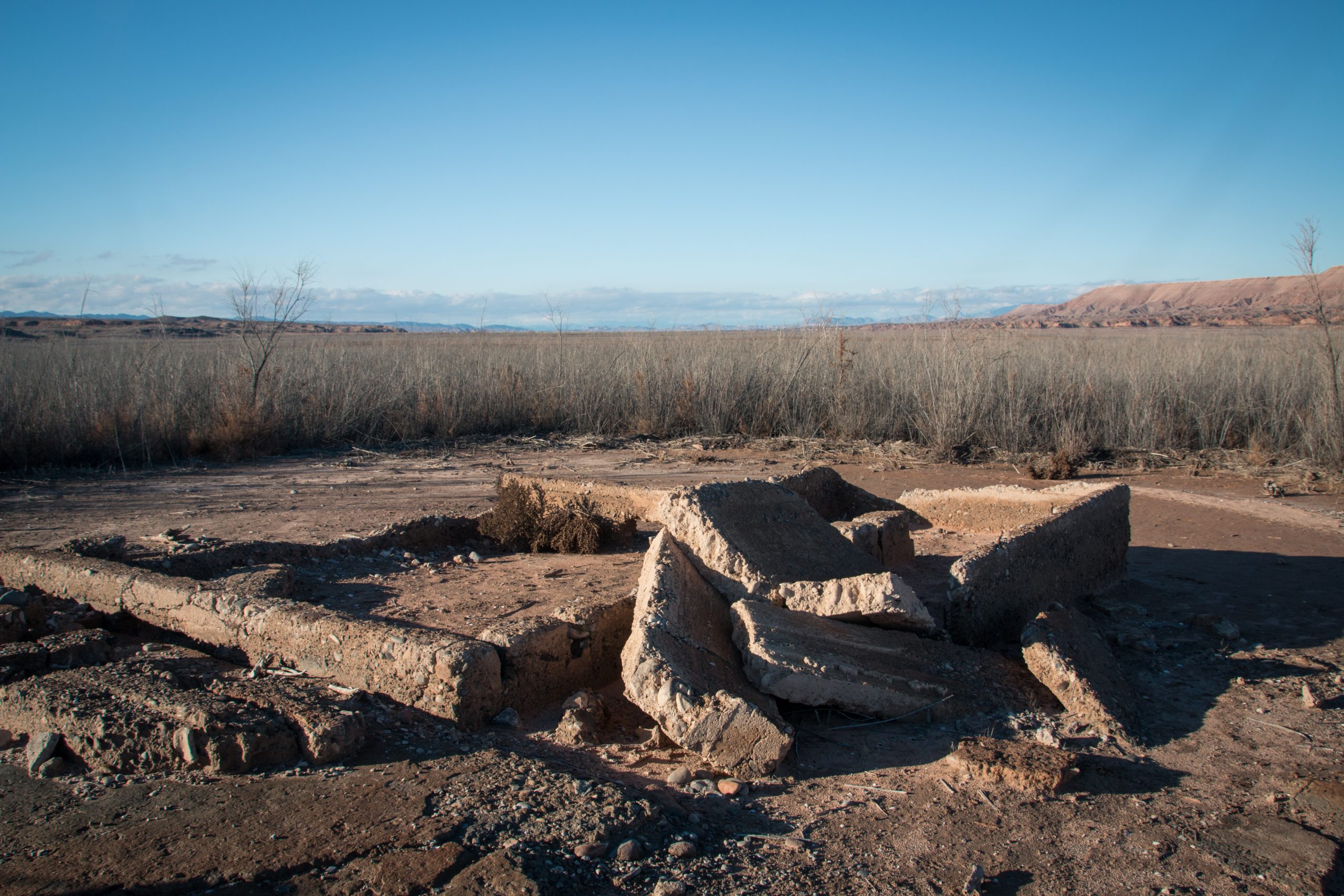
Begin the morning with a visit to the St. Thomas Trail along Northshore Road. This 2.5 mile round trip walk leads to the ruins of St. Thomas, a Mormon settlement founded in the 1860s that was abandoned in the 1930s when the rising waters of Lake Mead flooded the town following the construction of Hoover Dam. As lake levels fluctuate, foundations and remnants of the old town occasionally reappear from beneath the desert reservoir.
Continue into the town of Overton to visit the Lost City Museum, which preserves artifacts and structures connected to the ancient Puebloan communities that lived in the region more than a thousand years ago. The museum was originally created during archaeological excavations conducted before the construction of Hoover Dam flooded many important sites along the Muddy River Valley.
After exploring the museum, continue north toward St. George, Utah, where the landscapes of the Colorado Plateau begin to emerge.
Overnight in St. George.
Leave No Trace
Please respect the natural environment by following Leave No Trace principles.
